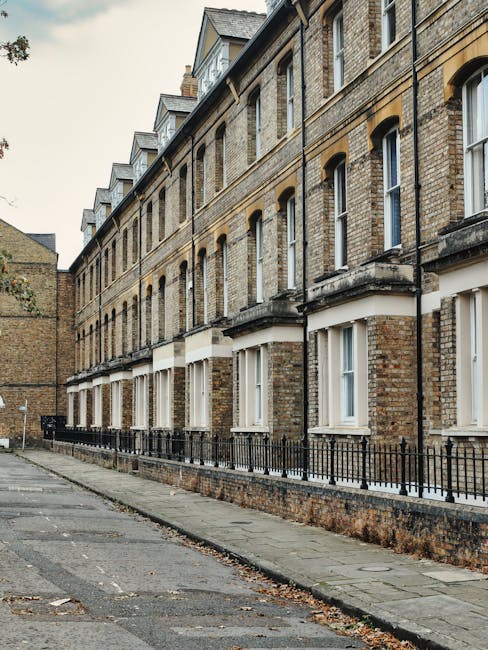
Plaistow Road domestic carpet cleaning for Victorian terraces
Victorian terraces have a charm all their own: long hallways, original features, narrow stairs, heavy footfall, and carpets that somehow seem to collect every bit of London life going. If you live along Plaistow Road or nearby, Plaistow Road domestic carpet cleaning for Victorian terraces is less about a quick tidy-up and more about protecting the character of the home while dealing with the realities of family life, pets, damp, soot, spilled tea, and the odd muddy school shoe. Truth be told, older homes need a different approach.
This guide explains what a good domestic carpet clean looks like in a Victorian terrace, how the process works, what to watch for, and how to choose the right method for wool, synthetic, or blended carpet fibres. You will also find a practical checklist, a comparison of cleaning methods, and a grounded example of how an older terrace can be brought back to life without unnecessary fuss.
For readers comparing service details, it can help to look at the provider's broader carpet cleaning service, along with related options such as steam carpet cleaning and stain removal when a particular mark needs focused treatment.
Table of Contents
- Why Plaistow Road domestic carpet cleaning for Victorian terraces matters
- How it works
- Key benefits and practical advantages
- Who this is for and when it makes sense
- Step-by-step guidance
- Expert tips for better results
- Common mistakes to avoid
- Tools, resources and recommendations
- Law, compliance, standards, or best practice
- Options, methods, or comparison table
- Case study or real-world example
- Practical checklist
- Conclusion
- Frequently asked questions
Why Plaistow Road domestic carpet cleaning for Victorian terraces Matters
Victorian terraces are not modern boxy flats with easy access and light, synthetic flooring. They often have layered history in the carpets themselves: old underlay, heavy use in the front room, cooler back rooms, and fibres that have had years of dust settling into the pile. That matters because dust, grit, and trapped moisture do not just make carpets look tired. They can make them wear faster, feel rough underfoot, and hold onto odours far longer than you might expect.
Along Plaistow Road, homes often have busy daily rhythms. Hall carpets take the brunt of everything. Front room carpets get dragged in and out by furniture. Bedrooms may be better kept, but they still gather airborne dust, especially if windows are opened frequently or if radiators circulate dry air through the house. Add a staircase into the mix and you get one of the most hard-worked carpeted areas in any home. A proper domestic clean helps reset that cycle.
There is also the practical issue of age. Older terraces can have different carpet types in different rooms, and not every carpet tolerates the same cleaning intensity. Wool, for example, needs care with moisture and pH. Synthetic fibres are usually more forgiving, but that does not mean they should be blasted and left soaking. A good clean balances soil removal, drying time, and the condition of the textile. That balance is the whole game, really.
In homes like these, carpet cleaning is also part of general upkeep rather than an occasional luxury. It can help with:
- everyday dust and grit removal
- stair and hallway traffic marks
- general freshness in older rooms
- pet hairs and lingering smells
- spots from food, drinks, or muddy weather
- protecting fibres before visible wear becomes permanent
Expert summary: In a Victorian terrace, carpet cleaning is most effective when it is matched to the age of the home, the carpet fibre, and the way each room is actually used. One-size-fits-all methods rarely produce the best result.
How Plaistow Road domestic carpet cleaning for Victorian terraces Works
A professional carpet clean in a Victorian terrace usually starts with inspection, not washing. That sounds obvious, but it is where good results begin. The cleaner looks at the pile, the backing where visible, the traffic lanes, any stains, and the room layout. Staircases, landings, and narrow hallways often need more attention than a standard living room because the build-up is uneven. You can usually see it in the dullness before you can smell it.
The next step is dry soil removal. This is the part many people underestimate. Grit acts like sandpaper once someone walks on it. Removing loose dirt first helps the real clean work properly and prevents muddy slurry from being pushed deeper into the carpet. On older homes, that can make all the difference.
Then comes pre-treatment. This means applying the right solution to loosen everyday grime, edge dirt, and problem spots. A decent professional will not just spray everything the same way and hope for the best. They will consider whether the room contains wool, whether there are signs of previous DIY spot cleaning, and whether some areas may need extra rinse control. If someone has ever tried a supermarket spray on a tea stain and made it worse, well, there you go.
The actual cleaning method depends on the carpet and the condition of the room. Often it involves hot water extraction, sometimes called steam cleaning in everyday conversation, though it is not literally steam alone. A cleaning solution is applied and then extracted with water and soil. The aim is controlled moisture, not soaking. In some cases low-moisture or specialised stain treatment may be more appropriate, especially where drying space is limited or the carpet is delicate.
Finally, the carpet is groomed and allowed to dry properly. Good air movement helps, as does sensible room management. In a terraced house, with stairs, doors, and not always perfect cross-ventilation, drying planning matters more than most people expect.
If you are comparing service types, the details on steam carpet cleaning, pet stain and odour removal, and upholstery cleaning can be useful when different surfaces in the home need different care.
Key Benefits and Practical Advantages
The obvious benefit is cleaner carpets. But in older terraces, the practical gains go beyond appearance.
- Better first impression: A hall carpet in a Victorian terrace sets the tone immediately. Clean fibres make the whole home feel more cared for.
- Longer carpet life: Removing embedded grit reduces abrasion, which helps preserve the pile.
- Improved comfort: Carpets feel softer and less sticky or rough once the trapped debris is gone.
- Odour control: Older homes can hold onto stale smells, especially in cooler front rooms and stair areas.
- Stain management: The sooner problem marks are professionally treated, the less likely they are to set permanently.
- Allergy-friendly housekeeping: While no carpet clean is a cure-all, removing dust and pet debris can make the room feel fresher.
There is also a subtle benefit that people notice after a day or two. Rooms tend to sound and feel different. That thick, slightly musty dullness often lifts. The house breathes a bit better. It is a small thing, but if you have ever lived in a terrace through wet weather, you know exactly what that means.
Who This Is For and When It Makes Sense
This kind of carpet cleaning is a strong fit for anyone living in a Victorian terrace on or near Plaistow Road who wants their flooring to last and look cared for. It is particularly relevant if your household includes children, pets, frequent visitors, or anyone coming in and out all day. Hallways and stairs in terrace homes are often the first to show wear, and once the pile mats down, it becomes harder to revive without a deeper clean.
It also makes sense if you are moving into a terrace and want a proper reset before unpacking. Many buyers or tenants see the carpets as "acceptable" at first glance, then realise a more thorough clean reveals a lot more. This is not about being fussy. It is just practical.
Other common situations include:
- after a winter of muddy foot traffic
- before guests stay over or a family event
- after pet accidents or recurring smells
- when a room has a faded, grey traffic lane
- before listing a property for sale or letting
- after decorating work has left dust around edges and skirting boards
It may be less urgent if the carpet is new, lightly used, and vacuumed regularly. Even then, a periodic clean can still help preserve appearance. The trick is not to wait until the carpet looks truly tired. By then, you are often fighting embedded soil rather than maintaining a good finish.
Step-by-Step Guidance
If you want to understand what a sensible clean should look like in a Victorian terrace, here is the process in plain English.
- Walk-through and fibre check. The cleaner identifies high-traffic zones, stain types, and any areas that may need extra care. Wool, blend, and synthetic fibres are treated differently.
- Vacuum thoroughly. Dry soil is removed from the surface and pile. This should include edges, stairs, and under easy-to-move furniture where possible.
- Pre-treat stains and heavy traffic lanes. Spots, greasy marks, and dull patches receive targeted treatment. This is where experience matters a lot.
- Select the safest method. Hot water extraction, low-moisture cleaning, or specialised spot treatment may be used depending on carpet type and drying space.
- Clean in sections. Older terraces often have narrow layouts, so room-by-room work keeps moisture under control and avoids rushing.
- Rinse and extract properly. Leaving residue behind can attract dirt again, so extraction needs to be done with care.
- Groom the pile. Brushing the fibres in one direction can improve appearance and help drying. It also looks tidier straight away.
- Plan drying time. Doors, windows, and ventilation should be used sensibly. It is a mistake to walk heavily on damp carpet too soon.
A small but important note: if a room has very old underlay or a history of damp, the cleaner may recommend a more cautious approach. Victorian terraces can sometimes have surprises under the surface, and nobody wants to create a bigger issue by pushing too much moisture into the wrong place.
Expert Tips for Better Results
There are a few things that genuinely improve results, and they are not fancy.
Vacuum before the appointment. It saves time and helps the cleaner focus on the deep dirt rather than surface fluff. If you have a hall carpet full of crumbs, it is worth a proper pass before anyone arrives.
Move small items in advance. Lamps, baskets, toys, and footstools can slow things down. Heavy furniture is another matter; a cleaner will often work around it or discuss options on arrival.
Point out stains honestly. Coffee, wine, makeup, paint, pet accidents, and old adhesive marks all behave differently. The more the cleaner knows, the better the result. No judgement, honestly. They have seen much worse.
Do not over-wet the carpet at home. A common DIY mistake is pouring on water and a lot of detergent, then trying to scrub out the problem. That usually leaves a sticky residue and can flatten the pile. Sometimes less really is more.
Ask about drying expectations. A sensible plan matters in terrace homes with limited airflow. If you need to use a room later the same day, say so early.
Think beyond the carpet. Curtains, sofas, rugs, and mattresses can all contribute to a room feeling dusty or stale. If the whole room feels tired, a single carpet clean may only do part of the job. Related services like curtain cleaning, sofa cleaning, and mattress cleaning can complete the reset.
Common Mistakes to Avoid
Older terraces are forgiving in some ways, but carpet cleaning mistakes can be expensive. Here are the big ones.
- Using the wrong product on wool. Harsh alkaline cleaners can damage delicate fibres or leave a dull feel.
- Scrubbing aggressively. That can distort the pile and make the spot look worse. Dab, don't attack.
- Ignoring drying time. Walking over damp fibres too soon can re-soil the area and flatten the finish.
- Treating every stain the same way. Protein stains, dyes, grease, and soil need different approaches.
- Skipping the vacuum stage. This is one of the simplest ways to reduce final quality.
- Expecting one clean to fix wear. If a carpet is genuinely worn or the pile is crushed, cleaning helps, but it is not a magic wand.
Another subtle mistake is ignoring the staircase. In terraces, the stairs often look "fine" because they are glanced at quickly. Then, once cleaned, you realise how much embedded soil was hiding in plain sight. It happens more often than people admit.
Tools, Resources and Recommendations
You do not need a complicated toolkit to maintain carpets between professional cleans. A few sensible basics go a long way.
- A reliable vacuum cleaner: Especially one that can handle edges, stairs, and the hallway properly.
- Spotting cloths: White or light-coloured cloths are useful because you can actually see what has transferred.
- Gentle carpet-safe cleaner: Keep it mild and only use it according to the instructions.
- Door mats at entry points: Simple, boring, effective. They catch grit before it gets into the pile.
- Furniture pads: Handy for preventing dents in rooms where sofas and heavy chairs sit in the same spot for months.
If you are comparing service standards and booking terms, it is worth reviewing practical information on pricing and quotes, payment and security, and the company's terms and conditions. Those pages help set expectations before anyone turns up with equipment.
You may also want to look at recycling and sustainability if eco-minded cleaning and responsible disposal matter to you. Not everyone asks about this, but in a family home it is a fair question.
Law, Compliance, Standards, or Best Practice
For domestic carpet cleaning in the UK, the main concern is less about heavy regulation and more about working safely, responsibly, and with appropriate care for the home. A reputable cleaner should be able to explain what products are being used, how they reduce slip risk, and what precautions they take around electrical items, stairs, and ventilation. That is basic professionalism, really.
Good practice in older terraces usually includes:
- careful handling of electrical leads and wet equipment
- clear communication about drying times and access routes
- appropriate treatment selection for fibre type
- respect for household belongings and delicate finishes
- honest discussion of stain outcomes without overpromising
It is also sensible to check that the provider has proper insurance and a visible health-and-safety approach. If you are assessing a firm, their insurance and safety information and health and safety policy can offer reassurance. And if you ever need to raise a concern, a clear complaints procedure is a sign the business takes customer care seriously.
On a practical level, this is the standard to aim for: careful, transparent, and suitable for a lived-in home. Not flashy. Just solid.
Options, Methods, or Comparison Table
Different carpet-cleaning methods suit different Victorian terrace situations. The best choice depends on fibre type, drying needs, and how heavy the soiling is.
| Method | Best for | Strengths | Limitations |
|---|---|---|---|
| Hot water extraction | General domestic carpets, traffic lanes, most family homes | Deep soil removal, strong overall refresh, good for established dirt | Needs sensible drying time and careful moisture control |
| Low-moisture cleaning | Light to moderate soiling, faster turnaround, sensitive rooms | Quicker drying, less moisture in older properties | May be less effective on heavily embedded grime |
| Targeted stain treatment | Single spots, pet accidents, old marks | Focused approach, useful alongside full cleaning | Not a full-room clean on its own |
| Steam carpet cleaning | General refresh where extraction is appropriate | Common and effective for many domestic carpets | Still needs the right setting and fibre match |
For many Victorian terraces, a combination approach works best. You may have a hallway that needs full extraction, a bedroom that only needs light treatment, and a stair runner that benefits from focused stain work. One method for the whole house is convenient, but not always the smartest. A bit of nuance helps here.
Case Study or Real-World Example
Picture a typical terrace on Plaistow Road: hallway, front room, two upstairs bedrooms, and a staircase that gets constant use. The hallway carpet looks dull and grey near the threshold. The stairs have a darkened centre line from repeated foot traffic. In the front room, there is an old tea mark near a chair and a faint pet smell that only becomes obvious when the windows are shut.
Rather than treating the whole property the same way, the cleaner starts with the hallway and stairs because that is where the real wear sits. The front room gets a more careful stain treatment around the chair area, and the bedrooms receive a lighter clean because they are less heavily used. The result is not just brighter carpet. The whole ground floor feels lighter, and the staircase no longer looks like it has been quietly collecting London for a decade. Slight exaggeration, but you get the idea.
What tends to surprise homeowners in this kind of example is how much difference the edges make. Once the skirting line is clear and the pile is lifted, the room seems bigger. It is one of those quiet transformations people notice as soon as they walk in with the kettle on.
Practical Checklist
Use this before booking, or before a cleaner arrives, if you want the visit to go smoothly.
- Vacuum the main areas first
- Move small fragile items out of the way
- Point out stains, odours, and known trouble spots
- Check whether any carpet is wool or especially delicate
- Make a note of access issues, parking, or stairs
- Ask how long drying is likely to take
- Keep pets and children away from damp areas
- Prepare a clear path to the rooms being cleaned
- Review the provider's insurance and safety information
- Confirm any special needs around furniture or upholstery nearby
Quick reminder: If the room contains more than just carpet, it may be worth planning related cleaning at the same time so you do not end up with one refreshed surface and three tired ones. That mismatch can be a bit annoying, to be fair.
Conclusion
Plaistow Road domestic carpet cleaning for Victorian terraces is about more than surface appearance. It is about understanding how older homes live, where dirt settles, how fibres respond, and what kind of clean will make the house feel cared for without causing unnecessary stress to the carpet or the room. The right approach keeps hallways fresher, stairs safer-looking, and living spaces more comfortable underfoot.
When the method is matched to the carpet and the home is prepared properly, the result is usually a cleaner, brighter, more breathable space. And in a Victorian terrace, that matters. These homes deserve a bit of respect, really. They have lasted this long for a reason.
Get a free quote today and see how much you can save.
If you are still weighing up your options, start with the provider's core carpet cleaning service and see how it fits your home, your schedule, and the condition of your floors. A little planning now can save a lot of hassle later.
Frequently Asked Questions
How often should Victorian terrace carpets on Plaistow Road be cleaned?
It depends on use, pets, children, and how quickly the hall or stairs get dirty. Busy family homes often benefit from more regular cleaning than quieter properties. If the carpet looks dull in high-traffic areas or starts holding odours, that is usually a good sign it is time.
Is steam cleaning safe for older carpet fibres?
It can be, provided the carpet is assessed properly and moisture is controlled. The key issue is not the word "steam" itself but whether the method suits the fibre, backing, and condition of the room. Wool and older installations need a more cautious approach.
What makes carpet cleaning different in a Victorian terrace?
Older terraces often have narrower stairs, more traffic in the hallway, different carpet types room by room, and less forgiving drying conditions. That means the cleaner needs to think about access, ventilation, and fibre sensitivity rather than treating the house like a modern open-plan space.
Can carpet cleaning remove pet smells completely?
It can often reduce or remove many pet-related odours, especially if the cause is in the carpet fibres rather than deep into the underlay. Strong, long-term smells may need targeted treatment. If accidents have been repeated in the same area, extra care is usually needed.
Will cleaning make my carpets look brand new?
Not always. Cleaning can revive colour, remove soil, and improve texture, but it cannot undo wear, crushed pile, or sun fading. It is best thought of as restoration and maintenance, not a full replacement for damage.
How long do carpets take to dry in a terrace house?
Drying time varies with method, fibre type, airflow, and room temperature. Stairs and halls often dry differently from bedrooms. Good ventilation helps, but older houses do not always have ideal airflow, so sensible planning matters.
Should I vacuum before the cleaner arrives?
Yes, if possible. It helps remove surface debris and allows the cleaning treatment to work on the embedded dirt instead. A quick tidy is helpful too, though the cleaner can usually work around a normal lived-in home.
Can stains from tea, wine, or makeup be removed?
Often, yes, but it depends on the stain type, how long it has been there, and whether it has already been treated with household products. Some stains respond well to targeted cleaning, while others leave a light shadow. Being honest about the age of the mark helps.
What should I ask before booking a carpet cleaner?
Ask about fibre care, drying expectations, stain handling, insurance, and whether they can explain the method they plan to use. If your terrace has wool carpets or older underlay, that detail is especially worth mentioning.
Are hallway and stair carpets more important than bedroom carpets?
Usually, yes. Hallways and stairs take the most foot traffic and show wear first. Bedrooms may still need cleaning, but the visual and practical payoff is often biggest in the high-use areas.
Do I need to move furniture before carpet cleaning?
Small items should usually be moved, but larger furniture can often be worked around depending on the room and the service agreed. It is best to discuss this in advance so nobody is guessing on the day.
What if my carpet has old DIY cleaning residue?
That is common, especially where people have tried to tackle stains quickly. Residue can attract dirt and leave a patchy look. A professional clean may improve it, although old residue is sometimes stubborn. Still, it is worth addressing rather than leaving it to build up.
Is there any benefit to cleaning carpets before selling a Victorian terrace?
Yes. Fresh carpets help rooms feel brighter, cleaner, and better maintained. In a terrace where space and light are already at a premium, that visual lift can matter more than people expect.
Where can I find pricing and service details?
You can review the provider's pricing and quotes page for general guidance and then use the contact route that suits you best. It is a sensible first step if you want to compare options without rushing.