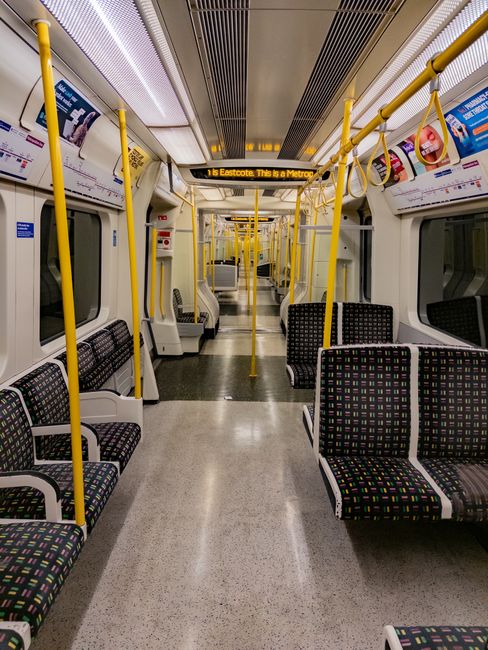
Plaistow Tube Station Area Upholstery Cleaning for Flats: A Practical Guide for Busy Homes
If you live in a flat near Plaistow tube station, upholstery cleaning can feel like one of those jobs you keep meaning to sort out, then never quite get around to. Sofas pick up everyday grime, armchairs start to look tired, dining chairs collect crumbs and marks, and before long the whole place feels a bit less fresh. This guide to Plaistow tube station area upholstery cleaning for flats is here to make the decision easier, whether you want to tackle a stubborn stain, refresh a well-used sofa, or simply keep your flat looking and smelling clean.
Flat living brings its own quirks: narrow hallways, shared entrances, lift access, neighbours below, limited drying space, and furniture that has to do a lot of work in a small footprint. The good news? With the right approach, upholstery cleaning can be straightforward, effective, and surprisingly low-disruption. Below you'll find what it involves, how it works, what to watch for, and how to get better results without making life harder than it needs to be.
- Why it matters in Plaistow flats
- How the cleaning process works
- Key benefits and practical advantages
- Who this is for
- Step-by-step guidance
- Expert tips for better results
- Common mistakes to avoid
- Tools, resources and recommendations
- Law, compliance and best practice
- Options and method comparison
- Real-world example
- Practical checklist
- Conclusion
- Frequently asked questions
Why Plaistow Tube Station Area Upholstery Cleaning for Flats Matters
Upholstery gets used differently in flats than it often does in larger houses. In a compact home, the sofa might be the dining spot, the movie seat, the guest bed edge, and the place where muddy shoes get kicked off after a wet London commute. That kind of daily use adds up. Dust settles into fibres, oils from skin and hair build up, and small spills can become noticeable faster than you'd expect.
Near Plaistow tube station, many residents are balancing work, travel, children, pets, and busy routines. Truth be told, furniture often gets cleaned only when a mark becomes impossible to ignore. But upholstery cleaning matters long before that point because it helps maintain both appearance and comfort. A flat can look neat at first glance and still feel slightly stale if the sofa or chairs are holding onto odours, allergens, or old residues from food and drink.
There's also the practical side. Well-maintained upholstery usually lasts longer, which matters when furniture has to work hard in a smaller home. When you keep fabric fibres cleaner, they tend to look better for longer and are less likely to trap abrasive grit. That's not magic, just good upkeep. And in a flat, good upkeep matters more because there's often less spare room to hide worn-looking pieces.
If you are comparing upholstery care with other services, it can help to think of it as part of a wider home maintenance routine. Many local customers pair it with sofa cleaning, or book broader fabric care through the main upholstery cleaning service when several items need attention at once.
Expert summary: In flat living, upholstery cleaning is not just about looks. It supports hygiene, comfort, longevity, and the overall feel of your home. If a room feels a bit flat - no pun intended - the sofa is often part of the reason.
How Plaistow Tube Station Area Upholstery Cleaning for Flats Works
Most professional upholstery cleaning follows a fairly careful process. The exact method depends on the fabric, the condition of the item, and how much moisture the material can tolerate. That's the key point: not every fabric should be treated the same way, and anyone claiming otherwise is probably oversimplifying.
1. Inspection and fibre check
The cleaner should first inspect the item to identify the fabric type, problem areas, pre-existing wear, and any dye instability. This matters because some materials can tolerate deeper wet cleaning, while others need a lighter, more controlled approach. In a flat, this step is especially useful because furniture may sit close to walls, radiators, or limited drying spaces.
2. Vacuuming and dry soil removal
Before any moisture is used, loose dust, crumbs, pet hair, and grit should be removed. This helps prevent dirt from turning into a muddy residue once cleaning begins. It's a simple step, but it makes a real difference to the finish.
3. Pre-treatment of marks and traffic areas
High-use areas like armrests, headrests, and seat fronts usually need targeted pre-treatment. Food splashes, drink rings, and pet-related stains may need specialised attention. If odours are part of the issue, a service such as pet stain odour removal may be relevant, especially in smaller flats where smells linger more easily.
4. Main cleaning method
The actual cleaning method may involve low-moisture extraction, hot water extraction where suitable, or carefully applied upholstery-safe cleaning solutions. A good cleaner will use the least aggressive method that still achieves a solid result. That balance matters. Too much water can leave fabric slow to dry, and that is the sort of thing you notice by teatime when the room still feels damp.
5. Extraction and residue removal
Once the dirt has been loosened, it should be removed as fully as possible. Residue left behind can attract new dirt faster, so proper extraction is not an optional extra. It's one of the reasons professional cleaning usually lasts longer than a casual at-home attempt.
6. Drying guidance and aftercare
Drying is a major issue in flats, especially if windows are small or the weather is grey and slow. You may be advised to improve airflow, avoid sitting on the fabric too soon, and keep pets off until fully dry. That's boring advice, perhaps, but it saves frustration later.
For some households, upholstery work is done alongside carpet cleaning or steam carpet cleaning so the whole flat feels fresh at the same time. That can be a smart move if you are already planning a deeper clean.
Key Benefits and Practical Advantages
The value of upholstery cleaning is easy to understand once you see the difference it makes in a liveable space. In a flat, that difference tends to feel even bigger because the furniture is so central to daily life.
- Better appearance: Clean upholstery usually brightens a room immediately, even if the change is subtle.
- Improved hygiene: Dust, crumbs, allergens, and body oils are reduced, which helps the whole flat feel fresher.
- Odour control: Sofas and chairs can hold smells from cooking, pets, damp coats, and everyday living. Cleaning helps reset that.
- Longer fabric life: Removing abrasive dirt helps protect fibres from wear.
- More comfortable living: A clean sofa just feels better to sit on. Simple as that.
- Better impression for guests or tenants: If the flat is being shown, prepared for a move, or used for visiting family, clean upholstery lifts the room quickly.
There is also a mental benefit that people don't always mention. A tidy, clean sofa can make a room feel more settled. It sounds small, but in a compact flat, small improvements are visible everywhere. You notice the room breathing again, if that makes sense.
Who This Is For and When It Makes Sense
Plaistow tube station area upholstery cleaning for flats suits a wide range of households. You don't need a dramatic stain or a "before and after" photo moment to justify it. Quite often, the best time is simply when the furniture starts to look a bit tired or the room no longer feels as fresh as it should.
It makes sense if you are:
- a tenant preparing for an end-of-tenancy clean-up;
- a homeowner wanting to keep furniture in good condition;
- a landlord or letting agent getting a flat ready between occupants;
- a busy professional who wants a fresher living space without replacing furniture;
- a pet owner dealing with hair, odours, or the occasional accident;
- someone with children where spills are just part of life;
- living in a compact flat where odours and dirt build up faster.
It also makes sense if you've already tried spot cleaning and the fabric still looks patchy. That patchy look is a classic sign of uneven cleaning, and honestly, it can make a sofa look worse than before if it's not handled carefully. Better to stop, assess, and choose the right method than keep rubbing at it and hoping for the best.
Step-by-Step Guidance
If you want to know what a sensible upholstery cleaning visit looks like, here's the practical version. No fluff. Just the steps that usually matter.
- Identify the fabric and problem areas. Look for labels where available and note any delicate trims, loose stitching, or faded patches.
- Clear the space. Move small items, cushions, and breakables away from the furniture. In a flat, this helps more than you might expect because access space is often limited.
- Vacuum thoroughly. Work into seams, under cushions, and around the back. Dust hides in places you'd rather not think about.
- Test the treatment on a hidden area. This is essential when using a new product or handling an unfamiliar fabric.
- Pre-treat stains carefully. Use a targeted approach rather than scrubbing hard across the whole area.
- Clean section by section. Controlled work is better than soaking the item all at once.
- Extract as much moisture as possible. The goal is a cleaner surface with a reasonable drying time.
- Ventilate the room. Open windows where practical or use airflow to help drying.
- Allow full drying before heavy use. That means no sitting down "just for a second" and then leaving a damp handprint.
- Check the finish when dry. If any marks remain, a second targeted pass may be needed rather than more general cleaning.
A realistic example: a two-seater sofa in a first-floor flat near Plaistow station might need little more than vacuuming, careful stain treatment, and moderate extraction. A family sofa with food marks, pet hair, and a faint musty smell will usually need a more detailed approach. Different problem, different answer. Makes sense, really.
Expert Tips for Better Results
Small choices make a big difference with upholstery. These are the habits that usually lead to better outcomes and fewer headaches.
- Act early on spills. Fresh stains are often easier to lift than old ones, but blotting gently is better than rubbing.
- Use the least moisture necessary. Especially in flats, excess water can become a drying problem fast.
- Watch for colour transfer. Dark or patterned fabrics can behave unpredictably when wet.
- Keep a cleaning schedule. Waiting until the sofa looks genuinely grim usually means more work later.
- Vacuum regularly between deep cleans. It's dull, yes, but it protects the fibres.
- Use throws strategically. They're not a substitute for cleaning, but they can reduce wear on high-contact areas.
- Ask about dry times before booking. That matters in a flat where space is tighter and airflow may be limited.
If you have other fabric items in the home, a combined approach can be worthwhile. Curtains, rugs, and mattresses each hold onto dust in different ways, so the room often feels fresher when more than one item is cleaned. For example, some households pair upholstery care with curtain cleaning or rug cleaning to reset the whole space. Not essential, but often sensible.
One-line reality check: a clean sofa hides a lot of sins.
Common Mistakes to Avoid
A lot of upholstery damage comes from well-meant but overly eager cleaning. The mistakes are common, and preventable.
- Scrubbing stains aggressively. This can spread the mark and roughen the fabric.
- Using too much water. It may seem thorough, but oversaturation can lead to slow drying and lingering smells.
- Ignoring fabric care instructions. A suede-like finish and a hard-wearing synthetic cover do not need the same treatment.
- Cleaning only the stain and not the surrounding area. That can leave obvious rings or uneven patches.
- Forgetting to test products first. Even "gentle" products can behave oddly on certain fibres.
- Putting cushions back too soon. It traps moisture and can flatten the result.
Another common issue is assuming a stain is gone when it's only temporarily masked by dampness. Once the fabric dries, the mark returns. Annoying, but not unusual. That's why careful drying and a final check matter so much.
Tools, Resources and Recommendations
You do not need a cupboard full of specialist kit to keep upholstery in decent condition, but the right basics help. If you are handling light maintenance yourself, a few tools can go a long way.
Helpful basics for flat owners
- a vacuum cleaner with an upholstery attachment;
- a soft brush for seams and corners;
- clean white microfibre cloths for blotting;
- a small bowl of mild cleaning solution if appropriate for the fabric;
- fans or simple airflow support for drying;
- protective coverings for furniture that gets heavy daily use.
For deeper work, professional equipment usually gives better and more consistent results because it can lift dirt more effectively and control moisture better. That matters when you are cleaning inside a flat and do not have the same drying flexibility as a larger house.
If you want to compare services, it may help to look at the wider cleaning options available on the same site, such as stain removal, mattress cleaning, or the broader carpet cleaning service. That way, you can decide whether you need a targeted job or a fuller home refresh.
Law, Compliance, Standards, or Best Practice
When upholstery cleaning is carried out in flats, the main concerns are usually safety, fabric suitability, communication, and sensible handling of products and water. While this topic is not heavily regulated in the way some trades are, best practice still matters.
In practical terms, that means using cleaning products safely, avoiding unnecessary exposure to moisture, and taking care around communal areas in apartment blocks. If furniture needs moving through shared entrances or narrow stairwells, it should be done without causing damage or obstruction. In London flats, that's not just courteous; it is often the difference between a smooth visit and a frustrating one.
Good providers should also be clear about expectations. For example, no reputable cleaner should promise to remove every stain from every fabric. Some marks are permanent, some have already set, and some fibres simply don't respond the same way. Clear communication is part of good service.
It is also sensible to ask about insurance and safety procedures, especially if the cleaner will be working inside your home for a while. You can review the company's published approach to insurance and safety and its broader health and safety policy for peace of mind. That isn't being fussy. It's being careful, which is fair enough.
Options, Methods, or Comparison Table
Choosing the right upholstery cleaning method depends on fabric type, stain level, drying space, and how quickly you need the item usable again. Here's a simple comparison to help you think it through.
| Method | Best for | Pros | Watch-outs |
|---|---|---|---|
| Light vacuuming and spot care | Regular maintenance and small spills | Quick, low-cost, low disruption | Not enough for built-up soil or deep odour |
| Low-moisture upholstery cleaning | Flats with limited drying space and moderate soiling | Faster drying, good control | May not be enough for very heavy staining |
| Hot water extraction where suitable | Durable fabrics with deeper dirt or odours | Often deeper cleaning, strong soil removal | Needs careful drying and fabric compatibility |
| Specialist stain treatment | Ink, food, drink, pet, or cosmetic marks | Targeted treatment can improve outcomes | Not all stains can be fully removed |
In a flat near Plaistow station, low-moisture methods are often attractive because they suit the practical realities of compact living. But if the fabric is robust and the cleaning goal is more intensive, a deeper method may be the better choice. There is no single winner every time. That's the honest answer.
Case Study or Real-World Example
Here's a realistic example from flat life rather than a glossy brochure. A couple in a second-floor flat off the station had a fabric sofa that looked mostly fine in daylight, but near the armrest there was a darkened patch from repeated use, plus a faint smell after a few months of takeaway meals and raincoats drying nearby. Nothing dramatic, just enough to make the room feel slightly off.
The first step was checking the fabric and vacuuming thoroughly, especially around the seat seams where crumbs had gathered. A careful pre-treatment lifted the darker armrest area without spreading the mark. The cleaner then worked in controlled sections rather than soaking the whole sofa. Because the flat had only modest ventilation, drying advice mattered: windows open for airflow, cushions left off until dry, and no heavy use that evening.
The result was not "brand new", because that would be unrealistic, but it was visibly fresher and much more comfortable to live with. The room smelled cleaner, the sofa looked more even, and the couple did not need to rush into replacing furniture that still had plenty of life left. That's the sort of outcome most people really want.
And yes, the armrest no longer looked like it had hosted half the postcode.
Practical Checklist
Use this checklist before arranging or carrying out upholstery cleaning in a flat near Plaistow tube station.
- Identify the fabric type if you can.
- Check for care labels or manufacturer instructions.
- Note all stains, odours, and wear areas.
- Vacuum the item before cleaning day if possible.
- Move small breakables and make access routes clear.
- Ask how long drying is likely to take.
- Confirm whether the method suits pets, children, or sensitive fabrics.
- Prepare airflow in the room where practical.
- Keep the area free from heavy use until fully dry.
- Consider pairing the job with other soft-furnishing cleaning if needed.
Quick takeaway: the more you prepare, the smoother the clean usually goes. Not glamorous, but true.
Conclusion
Plaistow tube station area upholstery cleaning for flats is really about making compact living feel cleaner, calmer, and easier to enjoy. In a flat, upholstered furniture plays a big role in how a home looks and feels, so keeping it fresh is not a luxury. It is part of sensible upkeep.
The best results usually come from matching the method to the fabric, treating stains carefully, and allowing enough drying time. That combination keeps disruption down and helps you avoid the common mistakes that can make a simple job harder than it needs to be. If you are unsure what your furniture needs, asking for proper guidance before any cleaning starts is usually the smartest move.
If you are ready to refresh your furniture and want a clearer idea of what the job may involve, you can review the available service details and support pages, including pricing and quotes, contact information, and the company's about us page for more background on how they work.
Get a free quote today and see how much you can save.
Sometimes a cleaner sofa is enough to change the whole feel of a room. A small lift, really. But in a flat, that small lift can make home feel properly home again.
Frequently Asked Questions
How often should upholstery be cleaned in a flat near Plaistow tube station?
That depends on use, pets, children, and fabric type. For many homes, a light professional clean every so often and regular vacuuming in between is a sensible rhythm. If the sofa gets heavy daily use, you may need attention sooner.
Is upholstery cleaning suitable for small flats?
Yes. In fact, it often makes even more sense in smaller flats because furniture gets used more intensively and odours can linger. The main thing is managing drying time and access carefully.
Will upholstery cleaning remove all stains?
Not always. Some stains are old, set, or chemically tricky. A good cleaner should explain what is realistic rather than promising miracles. That honesty is a good sign.
How long does upholstery take to dry?
Drying time varies by fabric, method, airflow, and how much moisture was used. In a flat, ventilation may be the deciding factor. Your cleaner should give you a realistic expectation before starting.
Can I clean upholstery myself instead of booking a professional?
For light maintenance and fresh spills, yes, if you are careful. But delicate fabrics, stubborn stains, and odours are often better handled by someone with the right method and equipment. A quick DIY job can become a patchy one if you rush it.
What types of furniture can be cleaned?
Common items include sofas, armchairs, dining chairs, ottomans, cushions, and other upholstered pieces. The exact method depends on the material and construction.
Is upholstery cleaning safe around children and pets?
It can be, provided the right products and procedures are used and the fabric is allowed to dry fully before use. If pets are part of the household, odour and accident treatment may be especially useful.
Do I need to move furniture before the cleaner arrives?
Usually not all of it, but clearing small items, ornaments, and anything fragile is helpful. If access is tight, it is best to mention that in advance so the job can be planned properly.
What is the difference between sofa cleaning and upholstery cleaning?
Sofa cleaning is one part of upholstery cleaning. Upholstery cleaning is the broader term and includes armchairs, dining chairs, footstools, cushions, and other fabric-covered items.
Can upholstery cleaning help remove smells from cooking or pets?
Yes, often it can. Fabric holds onto odours more than people realise. Cleaning can make a noticeable difference, especially when paired with targeted odour treatment where needed.
How do I know if my fabric needs specialist treatment?
If the material is delicate, labelled for restricted cleaning, or already damaged, specialist treatment is wise. If you are unsure, ask before any product is applied. Better safe than soggy, frankly.
Is it worth cleaning upholstery if I plan to replace the furniture soon?
Sometimes yes. If you are not replacing it immediately, a clean can improve comfort and appearance in the meantime. It may also make the furniture more presentable if the flat is being sold, let, or shown to guests.